
What is soap?
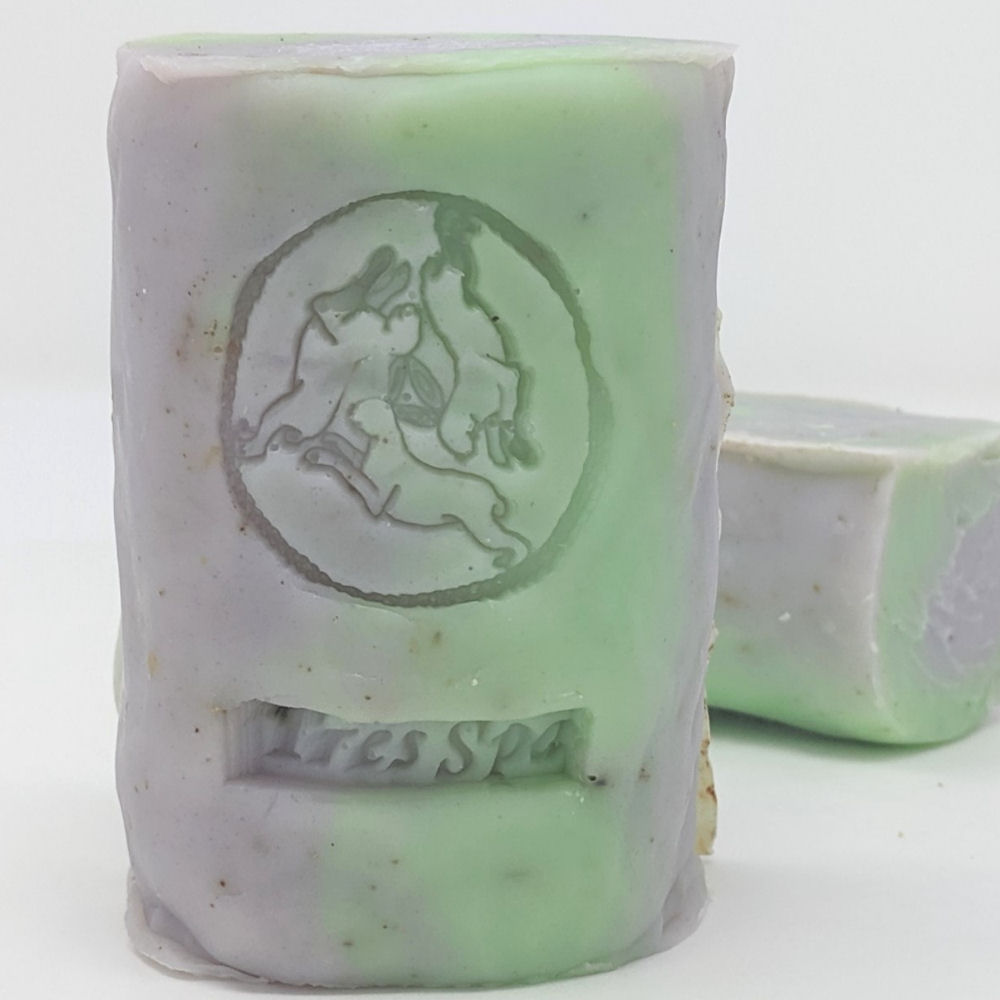
As defined by the FDA, the governing agency in the US, true soap is the alkali salt of fatty acids. That’s it. End of definition.
It really is pretty straightforward and anything else is not considered to be soap at all, it would be a detergent. This is the case for soaps and shampoo. Most body and hair cleansers out there are fortified with synthetic chemicals to enhance lather and alter the cleaning process so much to the point they are no longer a true soap at all. They would be treated Very few soaps are true soaps. In fact, beyond handcrafters like Très Spa, I’m not sure if there is any large scale manufacturer of true soap.
How is it made?
Traditional soap is made by combining fatty acids (oil) from either plant, animal, or mineral with an alkali (lye) of either potassium hydroxide or sodium hydroxide. At Très Spa we only use certified organic plant oils and, since we do not make liquid soap, sodium hydroxide to formulate all of our soap and shampoo.
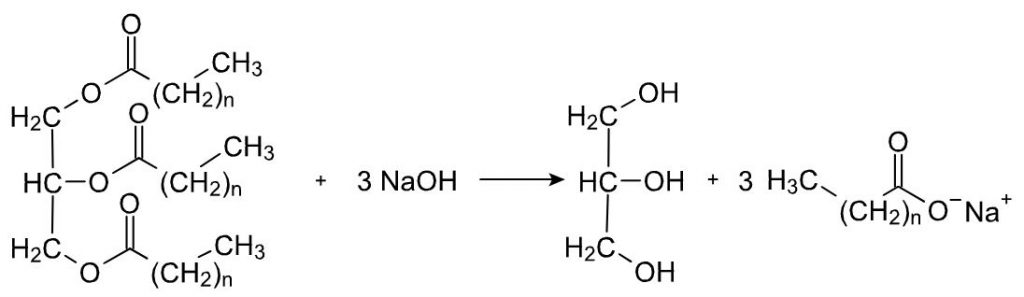
Once the acid and the alkali are combined they begin to react and combine eventually creating a solid block. The chemical reaction of the two is called saponification. The result is a alkali salt or what we all call soap.
How does it work?
There’s a lot more going on than just pretty bubbles when you activate your soap!
Soap is a a perfectly balanced yin and yang of hydrophilic and hydrophobic molecules. One loves water and the other is repelled by it. This nature is what allows the soap to act as an emulsifier allowing liquids to diffuse together.
So lets say you rubbed a bar of soap against your skin or a bar of shampoo across your scalp and hair when water is present. You need the water in order to get the soap to jump into action and line up accordingly. One end points away from the water and grabs hold of anything but water. So dirt, oil, and any other surface debris gets surrounded on all sides by the soap. Eventually the water comes by and the hydrophilic ends of the soap catch the wave pulling the debris and surface oil away from the surface and down the drain.
No matter what the application is, soap works the same every time.
What happens to your skin after soap
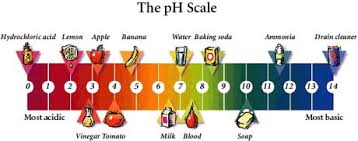
Your skin’s top mantle is slightly acidic, balancing between 4+ to 6+ on the pH scale . Soap is slightly alkali dancing between 8 to 10. There is no way to know for sure exactly what the pH is of your handcrafted soap since it continues to change as it ages, but they usually fall in a range that is ideal for cleansing the top mantle of the skins protective layer.
Once the soap passes over the skin, the mantles pH is temporarily adjusted. Don’t panic, it will turn back to normal in a short time. In fact, you may not even notice since . If your pH is high you may feel a bit dry. Très Spa Organic Soaps are super-fatted at 5% so that when you use them, your skin feels soft and supple. Less disruptive to the natural balance of the skins mantle.
What happens to your face after soap
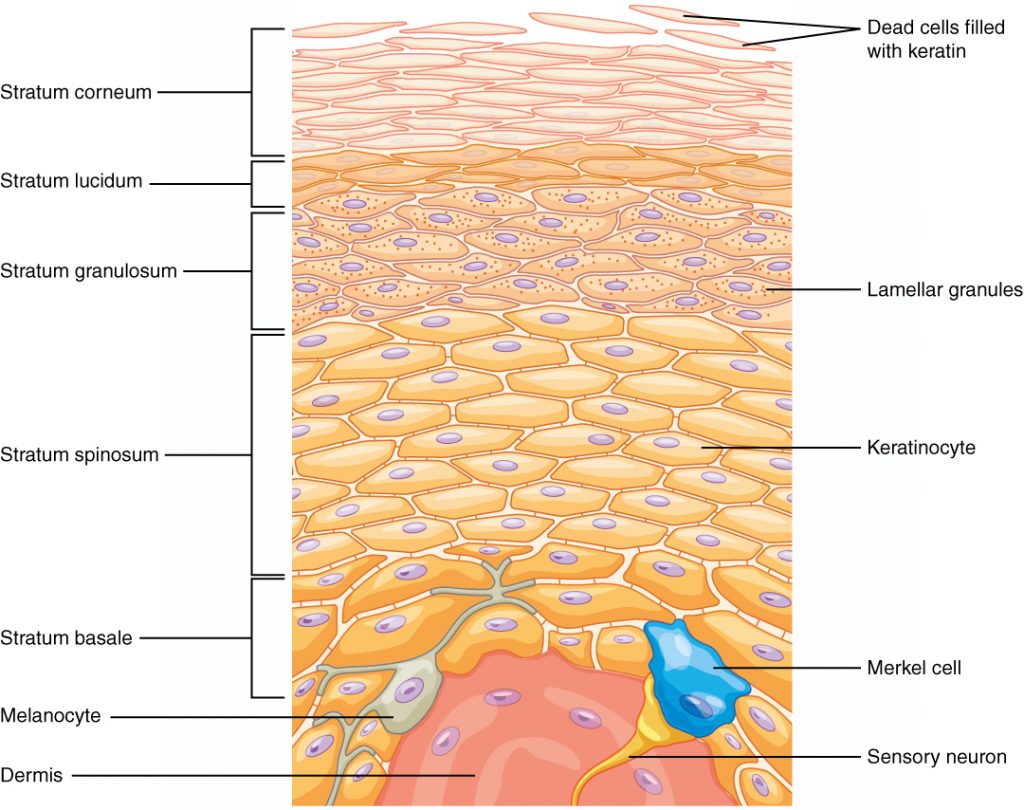
The skin on your face operates just like the rest of your body. Likewise, it responds the same to soap, a momentary shift in pH then a re-balancing. Your goal is to keep the pores unclogged and clean while not damaging the balance.
Très Spa Organic Face Cleanser is formulated with exfoliates to help clear out debris, dead skin cells, and unclog pores. They also include more super-fatting than our bar soaps so this will leave a more moisturized feeling. Limiting your face washing to once a day, before bed, should be all you need to maintain a fresh healthy face.
What happens to your hair after soap
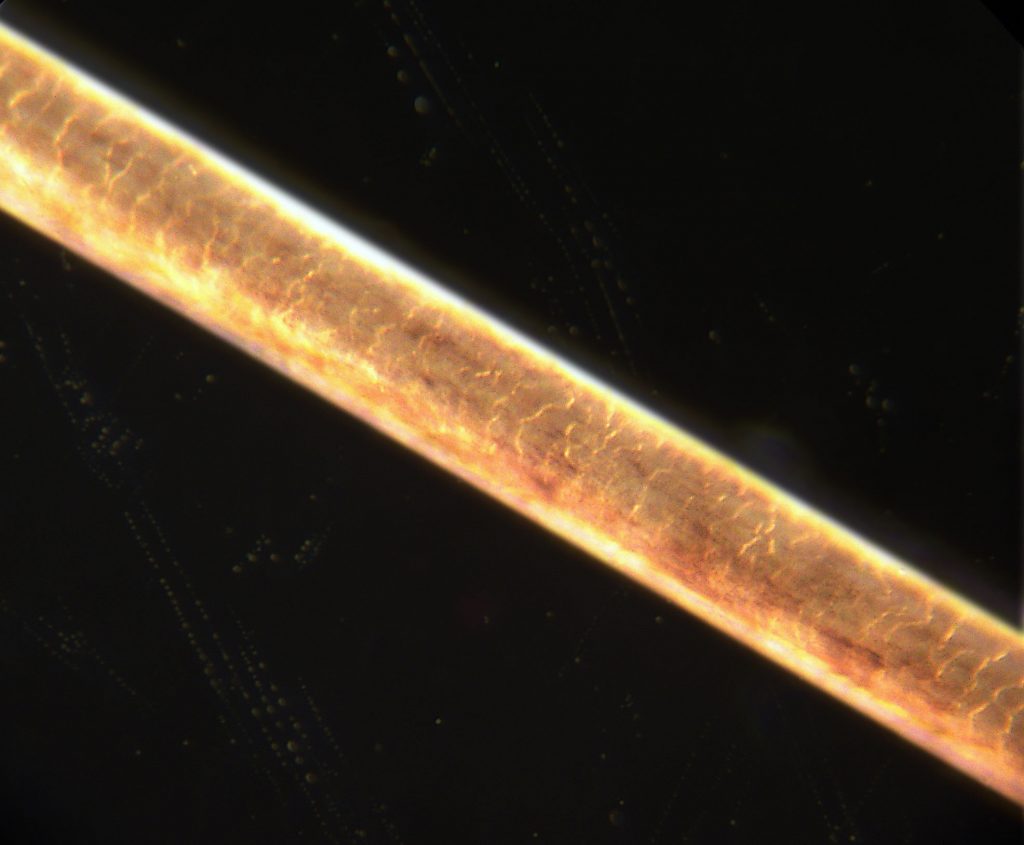
When it comes to washing your hair, there are two areas to look at. One is the scalp, which is very similar to the rest of your skin when you wash with soap. The lather carries away the dirt, debris, and excess oil. The other area is the hair shaft. The lather wraps around the hair cuticle then carries away the dirt, debris, and excess oil. While the skin on the scalp reacts much the same as everywhere on your body, the hair follicles also respond to soap. The act of washing the hair temporarily adjusts the porosity of the cuticle by making it softer and more receptive to absorbing nutrients and moisture. Très Spa Organic Shampoo’s are specifically formulated with plants that are beneficial in supporting strong healthy hair.
To keep the hair system healthy and stable, we recommend adopting a specific routine to suit your specific needs.


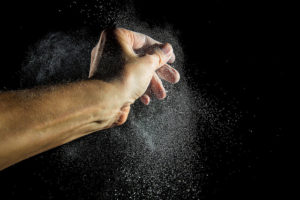 What are the uses for body powder or dusting powder
 My first introduction to powder
 If you lift weights, you know you do not want your skin to catch and pinch on the bar. You need a smooth slick surface or you run the risk of ripping your skin. Chalk is a type of powder. You could say it is powder in cake form. Typically, it is also talc powder, so if that concerns you, I suggest you pack your own body powder. An obvious choice would be Très Spa’s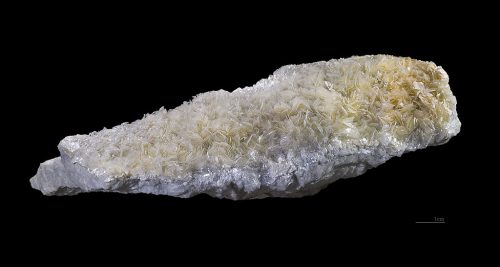
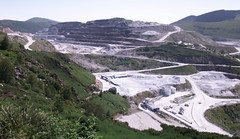 Mineral deposits are rarely pure. There is usually some cross-contamination from other deposits and minerals seeping over. For example, many of the talc veins run very close to asbestos, a known carcinogen. Now, not all veins do and there is pure talc, you just need to trust that the suppliers have properly processed and tested the purity. Call me a cynic, but I think this might be problematic.
 Naturally designed for living organisms
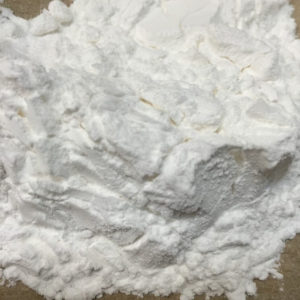 The whole purpose of any powder is to cover the skin with a light silky coating. The goal is to create a protective layer and to wick water away from the surface. This is how powders work no matter what their chemical structure is. But they don’t all work exactly the same and some of them have some pretty big caution flags for personal care use.
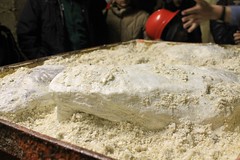 Traditionally, powders were made with mined minerals or clays. The most common mined mineral is Talc and you can find the use far and wide from industrial to pharmaceutical to cosmetic. Talc is hydrated magnesium silicate, a very fine substance and rates only a 1 on the MOHS scale of hardness for minerals. That means it is so soft you can actually flake it with your finger nail. It can be found in veins all over the globe and was formed hydrothermal alteration of magnesium-rich magmatic rocks. The mines are plentiful and it’s fairly cheap raw material. It also has a shelf life of eternity. All those factors make it very appealing for manufacturing. Unfortunately, it is usually found near asbestos veins as well but not always so not all talc contains trace amounts of asbestos. And recently there have been a few lawsuits citing Talc as a leading cause of cervical cancer. There are also some studies that link pulmonary disease with talc which has caused many pediatricians to recommend against using it for children.
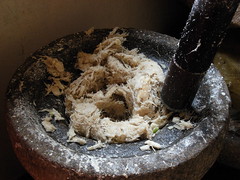 More recent in the skin care world and less common are powders made entirely from plant starches. Personally I think it’s pretty fantastic how starch is made. Plant sources for starch powder can be anything from tuberous plants to seeded ones. The most common plants are corn, wheat, and rice as a seed version. Less common would be coconut, beans and peas. Arrowroot, potato, and tapioca are all examples of starchy tuber plants. You can read more about how the starches we use in Très Spa formulations are created: